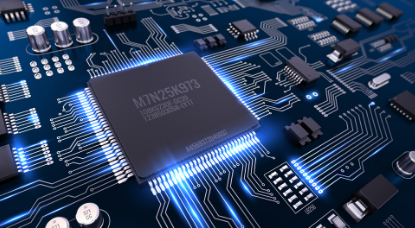
Printed circuit boards (PCBs) are the silent backbone of nearly every electronic device we rely on—from smartphones to drones, industrial robots, 5G base stations, and advanced medical equipment. As electronics become smaller, faster, and more complex, PCB technology must advance in parallel. Choosing the right PCB type, materials, and manufacturing partner is now a crucial technical decision rather than a routine procurement step.
In this in-depth guide, you’ll learn how to select advanced PCB solutions, understand their unique applications, compare fabrication options, and evaluate the best PCB assembly and manufacturing practices. We’ll also explore why high-quality Chinese manufacturers such as Global Well PCBAhave become preferred partners for OEMs and engineering teams worldwide.
Understanding the Role of Advanced PCBs in Modern Electronics
Today’s electronics demand speed, flexibility, durability, and ultra-precise hardware integration. Traditional FR4 PCBs are still common, but many modern devices require enhanced functionality only available through advanced PCB fabrication.


Key drivers behind the shift to advanced PCB technologies include:
Miniaturization: Devices are smaller but more powerful.
High-frequency performance: Required by 5G, radar, satellite communication, and high-speed data systems.
Thermal management: Power-dense components need efficient heat dissipation.
Mechanical flexibility: Wearables, folding devices, and compact robotics require bendable circuitry.
Reliability in harsh environments: Industrial machinery, automotive electronics, and aerospace require robust materials.
To meet these demands, manufacturers offer specialized PCB types like Rigid-Flex, High Frequency PCBs, heavy copper boards, multi-layer HDI boards, and customized assemblies with precise tolerances.
Types of Advanced PCB Solutions and Their Uses
1. Rigid-Flex PCBs
Rigid-flex boards combine the durability of rigid PCBs with the versatility of flexible circuits. They are designed using alternating flexible and rigid layers laminated together.
Where They’re Used
Medical devices (hearing aids, miniature diagnostic equipment)
Aerospace and military systems
Robotics and automation machinery
Compact consumer electronics
Benefits
Space-saving, ideal for tight enclosures
High reliability due to fewer interconnects
Ability to withstand vibration and movement
Streamlined assembly and reduced wiring
2. High Frequency / RF PCBs
High-frequency boards operate at frequencies above 1 GHz and require specialty materials like Rogers, Taconic, or PTFE.
Applications
5G infrastructure
Satellite communication
Automotive radar
IoT systems
Microwave electronics
Technical Advantages
Low signal loss
Stable dielectric properties
High-speed transmission
Excellent thermal performance
3. HDI (High-Density Interconnect) PCBs
These are multi-layer PCBs with microvias, fine lines, and high circuitry density.
Uses
Smartphones and tablets
Wearable technology
Advanced computing systems
High-end consumer electronics
Key Features
Compact size with enhanced performance
Multi-layer stacking
Improved routing densit
4. Heavy Copper PCBs
These boards contain copper layers thicker than 3 oz, making them ideal for power electronics.
Applications
Power supply modules
Electric vehicles
Industrial automation
Military power systems
5. Flexible PCBs (FPCs)
These lightweight boards bend easily without damage.
They are found in:
Cameras
Wearable health tech
Displays
Compact robotics
How to Choose the Right PCB for Your Project
Selecting the appropriate PCB type is essential for performance, reliability, and safety. Below are the critical factors engineers should consider.
1. Electrical Requirements
Signal frequency
Impedance control
Dielectric constant (Dk) stability
Power handling capacity
High-frequency communication devices, for instance, must use RF materials that minimize signal loss.
2. Mechanical Conditions
Will the device bend or flex?
Is there vibration or shock exposure?
How much space is available?
If the product requires movement, flexible or rigid-flex PCBs are the best choice.
3. Thermal Performance
Heat dissipation requirements
Environmental temperature
Processor or power component density
Heavy copper or metal-core PCBs help prevent overheating.
4. Environmental Considerations
Humidity levels
Corrosive environments
Extreme temperatures
Special coatings or materials may be required for harsh conditions.
Understanding the PCB Fabrication Process
A strong technical grasp of PCB fabrication helps engineers and procurement teams make better decisions and communicate effectively with manufacturers.
Key steps include:
1. Material Selection
Choosing substrates like FR4, Rogers, PTFE, or flexible polyimide shapes the board’s electrical and mechanical properties.
2. Inner Layer Imaging
Copper layers are imaged and etched to form traces.
3. Lamination
Multiple layers are bonded together under heat and pressure.
4. Drilling and Via Formation
Mechanical drills or laser drilling create holes for via structures.
5. Plating
Copper plating forms conductive pathways between layers.
6. Solder Mask and Surface Finishing
Finishes like ENIG, HASL, or OSP protect copper and support soldering.
7. Final PCB Testing
Includes AOI, flying probe testing, impedance testing, and functional verification.
High-quality manufacturers maintain strict process control, ensuring precise tolerances and consistent product quality.
Why PCB Assembly Quality Matters
PCB assembly (PCBA) is just as critical as board fabrication. Poor soldering, inaccurate component placement, and bad reflow profiles can cause device failure.
A reliable PCBA provider offers:
Automated SMT and THT assembly
X-ray inspection for BGA and QFN components
Functional testing and programming
AOI for soldering and alignment
Clean room assembly for sensitive electronics
This end-to-end capability ensures that prototypes and mass production runs are consistent and defect-free.
Selecting a Reliable PCB and PCBA Manufacturer
Choosing the right manufacturer directly impacts your product’s quality, cost, and lead time. Many engineering teams are now partnering with highly skilled Chinese PCB companies due to their advanced equipment and cost-efficient production.
Here are the evaluation factors you should prioritize:
1. Technical Expertise
Look for manufacturers with strong experience in:
Rigid-flex fabrication
RF/high-frequency materials
Fine-line HDI production
Complex multi-layer stacking
2. Modern Equipment
Essential equipment includes:
Laser drilling machines
Automated optical inspection (AOI)
SMT pick-and-place lines
Flying probe testers
X-ray inspection systems
3. Certifications
Such as:
ISO 9001
ISO 14001
UL Certification
Automotive IATF16949
Certifications indicate strong process management and quality control.
4. Fast Prototyping and Mass Production Capability
A flexible manufacturer should support:
Low-volume prototypes
Medium batches
High-volume production runs
5. Transparent Communication
Clear project updates and engineering support minimize delays and product issues.
Why Many Engineers Choose Global Well PCBA
Chinese PCB manufacturers have become global leaders in fabrication precision, material sourcing, and quick turnaround. Among these, Global Well PCBA stands out as a trusted provider.
You can use the branded anchor here:
Visit Global Well PCBA for advanced PCB fabrication and assembly solutions.
What makes them a strong choice for technical projects:
1. Broad Capabilities
They offer:
HDI
High-frequency PCBs
Rigid-flex PCBs
Multi-layer designs
Flexible PCBs
This wide range supports many industries.
2. Advanced Equipment
Their facilities use modern manufacturing tools for laser drilling, automated assembly, and high-precision quality control.
3. Engineering Support
Guidance on stackups, impedance control, material selection, and manufacturability is essential for complex systems.
4. Industry Application Expertise
Their solutions are used in:
Telecommunications hardware
Robotics and automation
Consumer electronics
Industrial controllers
Medical devices
5. English-Friendly Global Service
Their website and customer support are available in English, making collaboration smooth for international clients.
Applications of Advanced PCBs in Key Industries
1. Telecommunications and 5G
High-frequency, low-loss PCBs are crucial for:
Base station antennas
Microwave communication modules
High-speed data routers
2. Robotics and Automation
Rigid-flex and durable multi-layer PCBs support:
Robotic arms
Industrial sensors
AI-driven control systems
3. Automotive Electronics
Modern vehicles rely heavily on PCBs for:
ADAS radar systems
Battery management solutions
Engine control modules
4. Medical Electronics
Space-efficient rigid-flex designs enable:
Implantable devices
Diagnostic equipment
Portable health technology
Tips for Engineers Before Finalizing PCB Specifications
Here are essential steps to ensure successful PCB manufacturing:
1. Finalize Your Stack-Up Early
Avoid last-minute design changes that cause delays.
2. Communicate Impedance Requirements Clearly
High-speed circuits need precise impedance control.
3. Validate Component Libraries
Incorrect footprints can cause costly rework.
4. Include Test Points
They make debugging and quality inspection easier.
5. Choose the Right Surface Finish
ENIG is popular for high-quality, lead-free assemblies.
The Future of PCB Technology
The industry is moving toward:
Ultra-thin flexible PCBs
Advanced embedded component technology
Higher-density HDI layers
Thermally conductive materials for power electronics
Integration of PCBs into 3D device structures
These advancements will enable next-generation devices in AI, robotics, automotive systems, and communication technologies.
Final Thoughts
Advanced PCB technology is essential for modern electronics, offering the performance, reliability, and precision required by industries such as telecommunications, robotics, and medical devices. Understanding the different PCB types, choosing the right materials, and partnering with a skilled manufacturer are crucial steps toward successful product development.
Manufacturers like Global Well PCBAprovide the technical capability and advanced solutions necessary for organizations building high-performance electronic products.
If you’re working on a demanding electronic project, selecting the right PCB solution today ensures your device excels in performance, durability, and innovation tomorrow.